
In the wave of the automotive industry moving towards intelligence and precision, high-speed precision electric spindles are reshaping the manufacturing core as the "power heart". As the "nerve center" of CNC machine tools, its speed has exceeded 100000 revolutions per minute, coupled with nanoscale radial jump control, injecting ultra precision and high efficiency into the machining of key components such as new energy vehicle motor housings and gearbox gears.
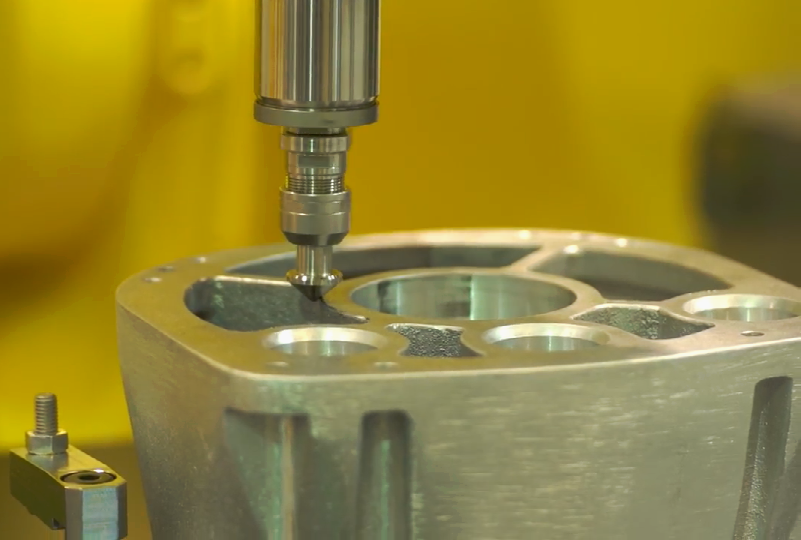
The 0.001mm machining accuracy that traditional spindles cannot achieve has become standard under the direct drive technology of electric spindles. Its continuously variable transmission characteristics perfectly meet the flexible production needs of aluminum alloy body structural components, and the efficiency is increased by more than 40% compared to traditional production lines. More noteworthy is that its oil mist lubrication system reduces energy consumption by 35% compared to traditional cooling methods, which is in line with the technological expectations of carbon neutrality strategy for green manufacturing.
From the turbine blades of German luxury car engines to the battery trays of domestic new energy vehicles, the electric spindle ensures the one-time molding of complex surfaces with its "zero vibration, high rigidity" characteristics. After a leading car company introduced this technology, the yield rate of gearbox production jumped from 89% to 97%, and the annual production capacity of a single line exceeded one million pieces. This is not only an equipment upgrade, but also a paradigm shift in automotive manufacturing from "rigid production" to "precision intelligent manufacturing".
When intelligent driving demands micrometer level tolerances for components, and the trend towards lightweighting gives rise to more irregular structural parts, high-speed precision electric spindles are carving the metal genes of future cars with their rotating sharpness.